
Category: Bird Pest Control
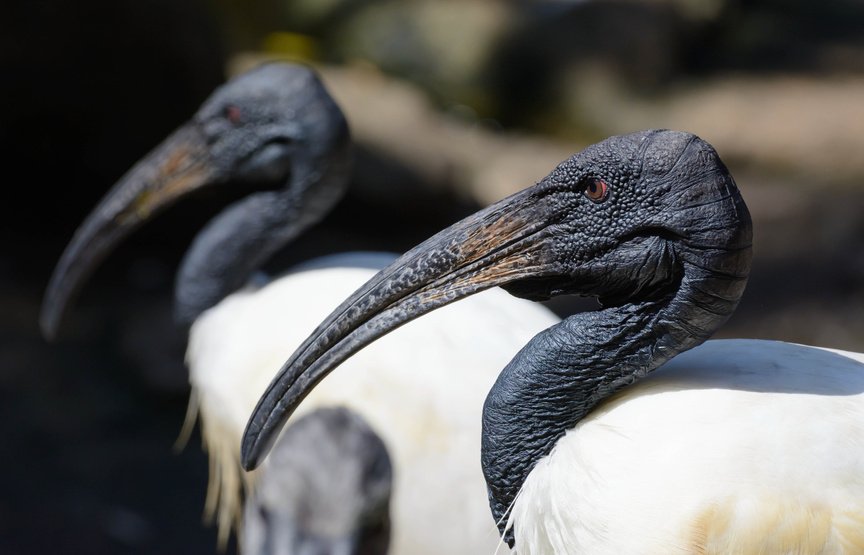
White Ibis Control (Threskiornis molucca)
The Australian White Ibis (Threskiornis molucca) is a wading bird of the ibis family Threskiornithidae. They are widespread in eastern and south western Australia. The ibis is increasingly becoming a permanent resident in many towns and cities across Australia. Many take up residence at rubbish tips or the local outdoor cafes and restaurants, becoming totally…
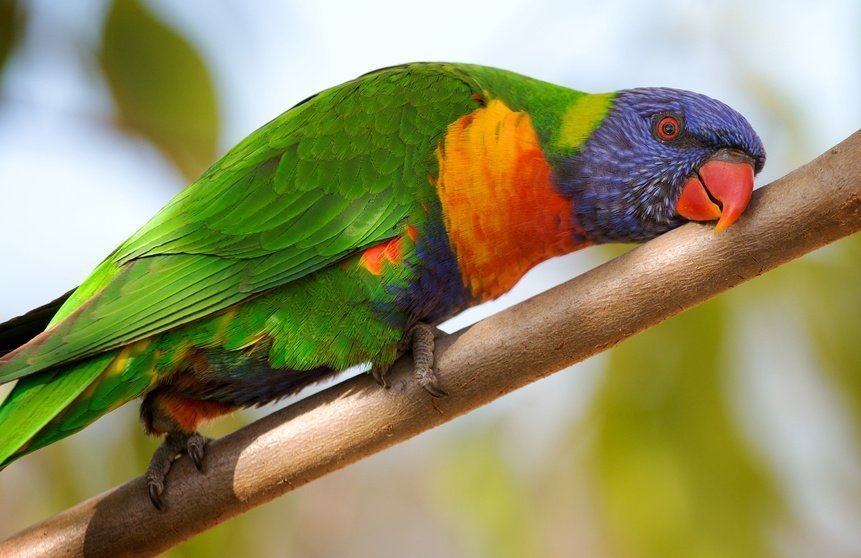
Rainbow Lorikeet Control (Trichoglossus haematodus)
Rainbow lorikeets are found all along the eastern coast and the eastern half of the southern coast of Australia, the rainbow lorikeet is one of Australia’s most brilliantly plumaged parrots. Mainly feeding on tree blossoms and some insects, they have readily adapted to introduced fruit crops. Preferring timbered areas and roosting in large noisy flocks…
Galah Control (Cacatua roseicapilla)
The common galah is found virtually throughout all of Australia. They congregate in flocks from 30 to 1,000 individuals and separate into pairs at breeding season, which is around August to November. They lay 2 to 6 eggs in a hole or hollow in a tree. About only 10% of fledglings survive to reach breeding…
Scaly Breasted Lorikeet Control (Trichoglossus chlorolepidotus)
The Scaly Breasted Lorikeet has a plain but beautiful arrangement of colours. The body is different shades of green. Intercepted by yellow barring on the breast, spreading down to the abdomen. The beak ranges from light orange to dark red. The underside of the tail is yellow. The wings are red with black at the…
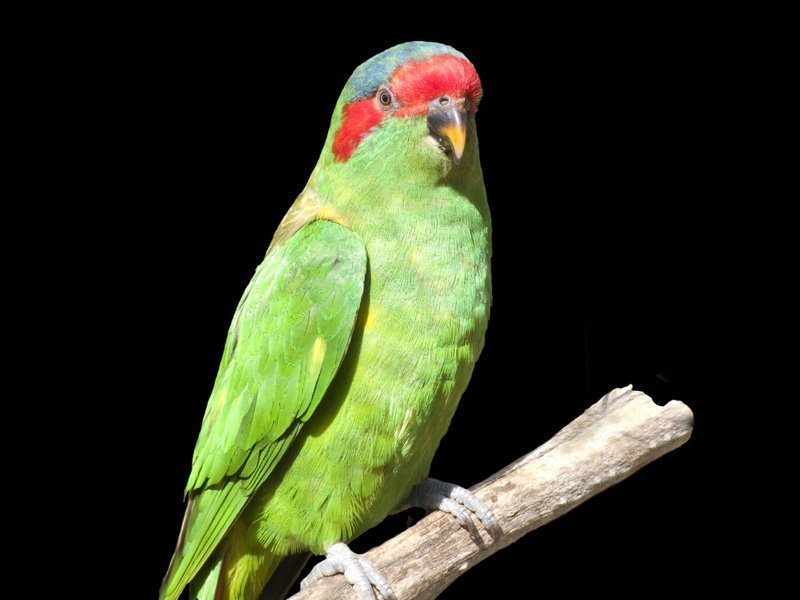
Musk Lorikeet Control (Glossopsitta concinna)
Musk Lorikeets are a small, mostly green bird (with a red forehead) which is usually seen flying high overhead on their way to and from their feeding areas. Favoured food is eucalyptus flowers (pollen and nectar). They are greedy feeders and become so engrossed when feeding they appear to ignore approaching danger. They nest anytime…
Little Corella Control (Cacatua sanguinea)
The Little Corella (a short billed corella) is wildly distributed throughout arid Australia (not to be confused with the long billed corella which is found only in a much more restricted area in the south of Australia and a very small portion of South West Australia. They breed from June to October and produce 2…

Common Myna or Indian Myna Control (Acridotheres tristis)
Introduced to Australia from south east Asia in the 1860’s, the myna (not to be mistaken for the Noisy Miner, a native honeyeater) is found mainly in and around major cities, namely Brisbane, Cairns, Sydney, Melbourne, Adelaide, Launceston. Like the starling, the myna competes with native birds for nest sites, mainly hollows in trees. They…
Heron Control (Ardea pacifica)
White Faced Heron (Egretta novaehollandiae), White Necked Heron (Ardea pacifica), Large Egret (Ardea alba), Nankeen Night Heron (Nycticorax caledonicus). All these herons will, for the purpose of general discussion, be grouped together. All are waders or stalkers of the water’s edge. The night heron, as the name applies, is nocturnal. These birds prey on a…
Currawong Control (Strepera graculina)
Currawongs are a strong curious bird that will eat almost anything. They nest in thick forest and usually lay 3 eggs in spring or summer. The Pied Currawong can form large flocks in late summer and winter and may have a large communal roost. There are 3 species of currawong in Australia: Pied Currawong (Strepera…
Crows Control
There are 5 main Crow species which can be a problem for Australian farmers: Australian Raven (Qld, NSW, VIC, S.A, W.A) Torresian Crow (north half of Australia) Little Raven (NSW, VIC, S.A) Little Crow (S.A) Forest Raven (mainly TAS) The main culprit, the Australian Raven (Corvus coronoides) is the most widespread. All species are basically…