
Category: Bird Pest Control
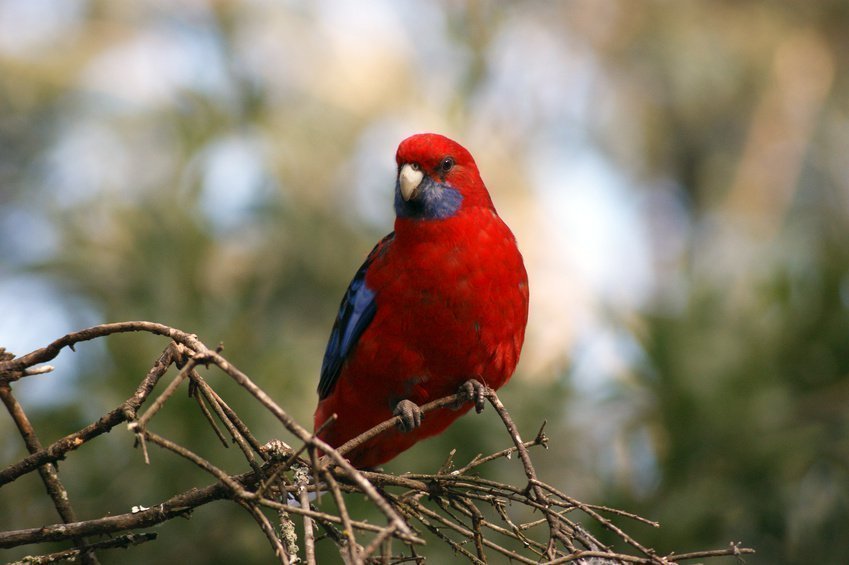
Rosella Control
There are 5 main rosella species to control that come in conflict with Australian farmers. Crimson Rosella (Platycercus elegans) – North Qld, south eastern seaboard from NSW/Qld border through to S.A Green Rosella (Platycercus caledonicus) – Tasmania Western Rosella (Platycercus icterotis) – South West W.A Eastern Rosella (Platycercus eximius) – South East Australia including Tasmania Pale-headed Rosella (Platycercus adscitus) – Eastern…
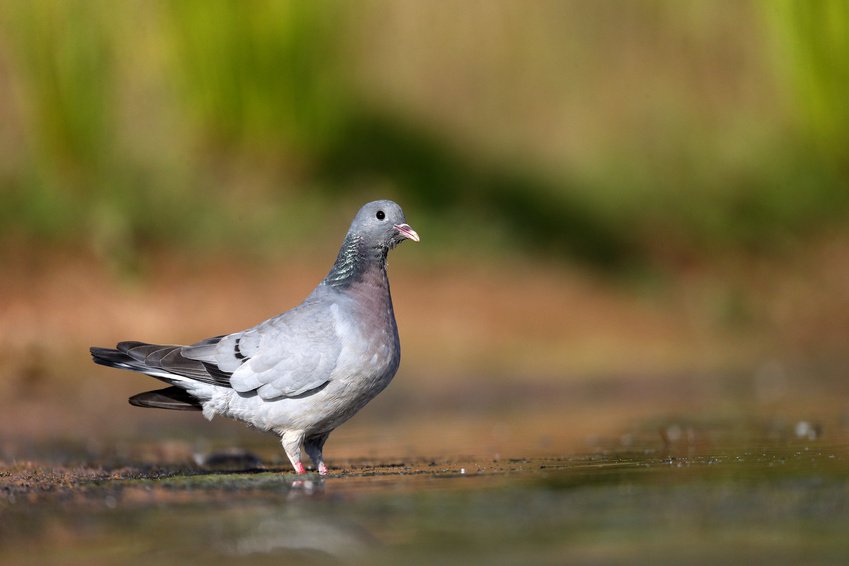
Pigeon Control (columba livia)
Descended from the wild rock pigeon of the northern hemisphere, these introduced birds are found in virtually every town and city in Australia and New Zealand. They have retained the cliff-dwelling, ledge nesting habits of their wild ancestors. They’ll nest at any time of year but principally in summer. Their ledge nesting habit has caused…
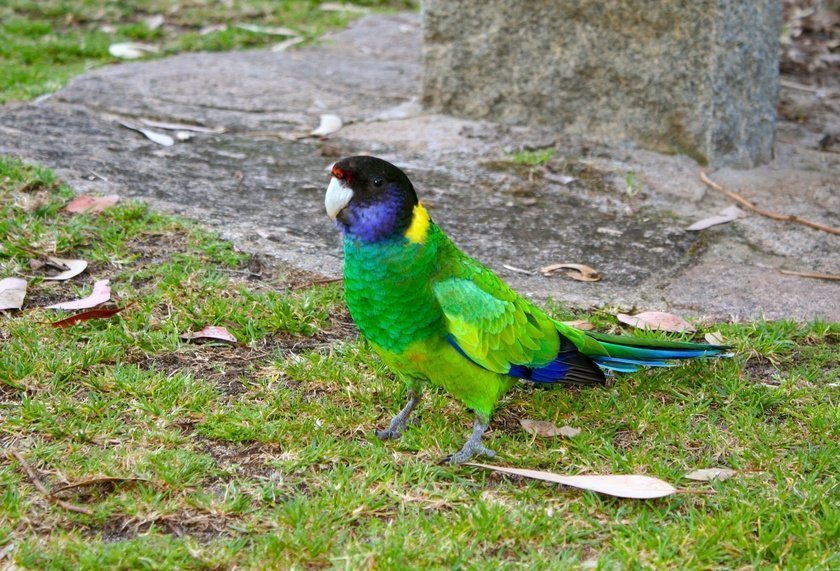
28 Parrot or Port Lincoln Parrot Control (Barnardius zonarius)
The Port Lincoln Parrot (usually called “28” in south western W.A) is found mainly in W.A, although does range into S.A and south west N.T. Breeds from August to February but in the drier inland areas, will breed whenever the season permits. When conditions allow, may raise 2 broods of anywhere between 2 and 7…
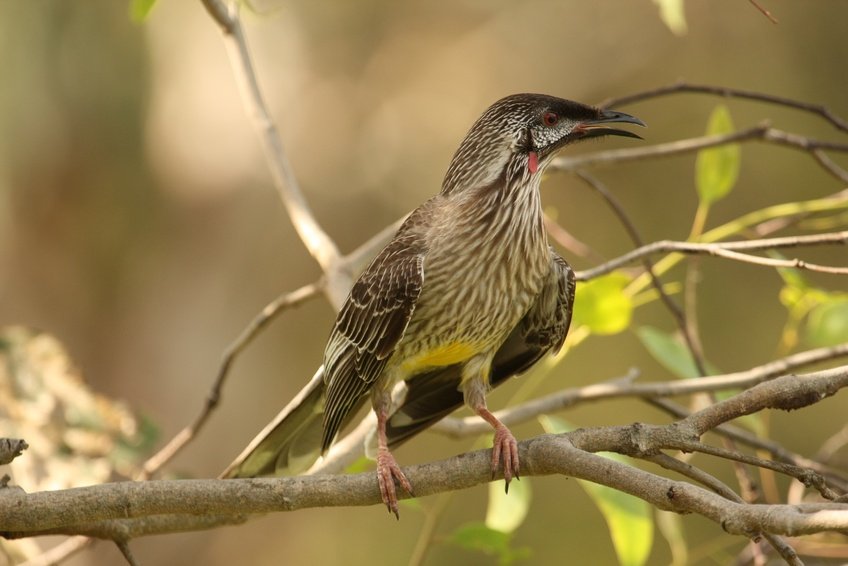
Red Wattlebird Control (Anthochaera carunculata)
The Red Wattlebird can be found in woodlands and forests from south east Australia to south west Australia, basically all along the southern end of the country. A honeyeater, they take nectar from a wide range of flowers and also insects. They breed mostly from July to December but will breed through to February in…
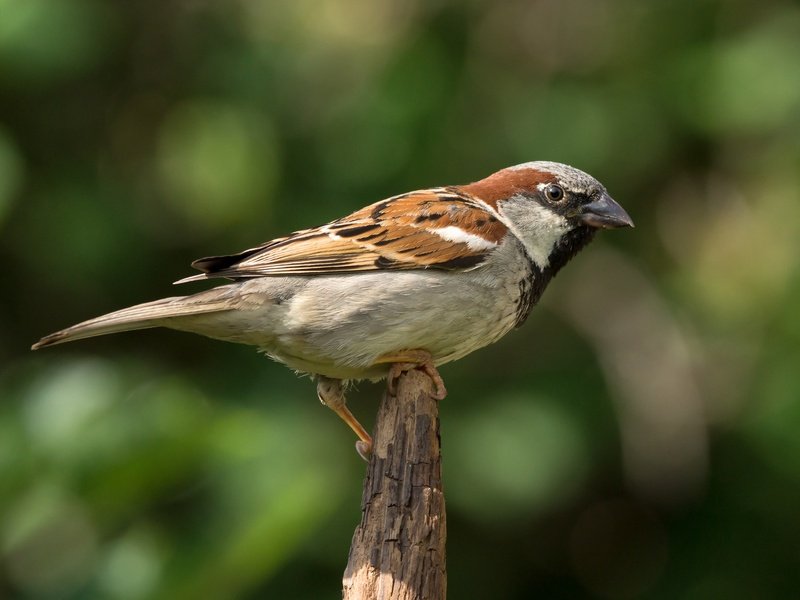
Sparrow Control (Passer domesticus)
Introduced to Australia in the 1860’s from Europe, the sparrow is now well at home in all eastern and southern Australian cities. They may raise several broods of between three to six young per season. Wherever humans live in any numbers, you’ll find sparrows. However, they are rarely found in heavily vegetated high country. Sparrows…
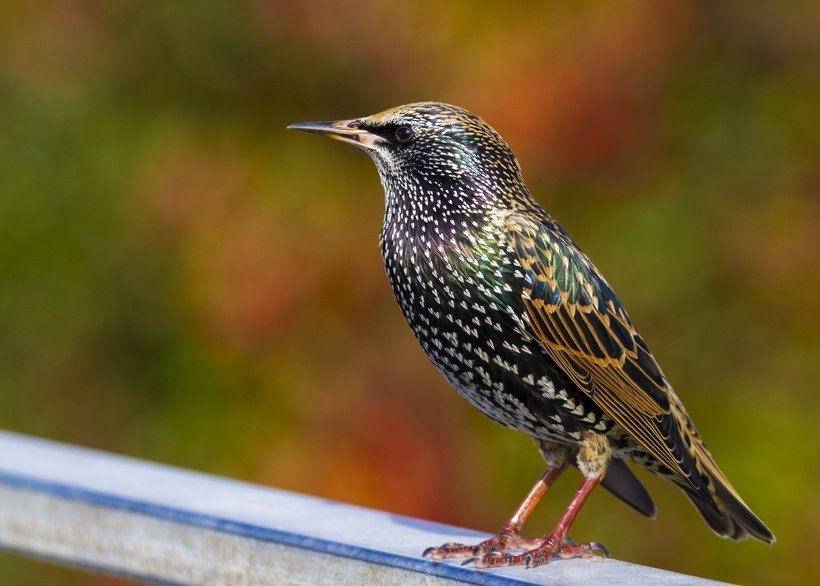
Starling Control (Sturnus vulgaris)
An introduced bird with an upright stance and a rapid jerking walk. First released in the 1850’s in Victoria, it is now widespread throughout eastern Australia. It’s name comes from the spangled star-like appearance of it’s fresh autumn moult. Starlings are omnivorous. They feed mostly on the ground, feeding on insects, seeds and small fruits.…
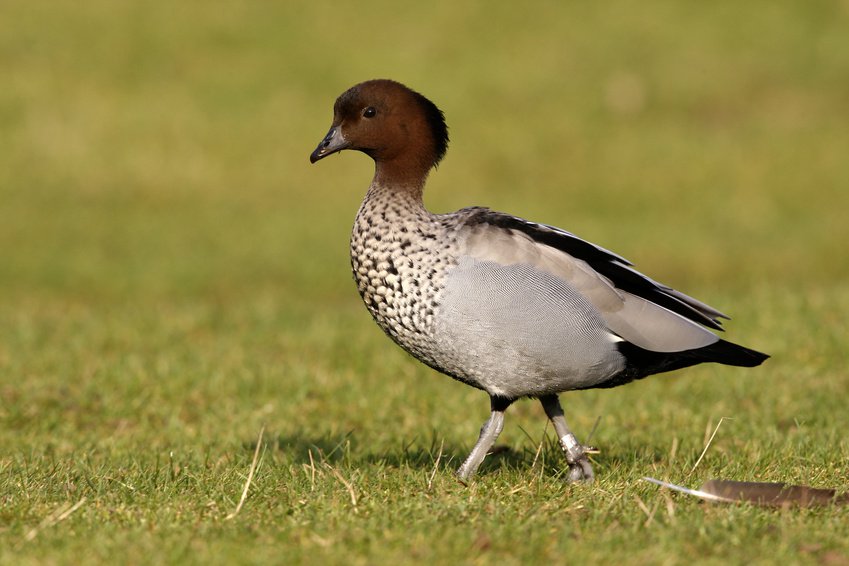
Wood Duck Control (Anthochaera carunculata)
Wood ducks are found throughout all of the eastern and western coasts of Australia, the wood duck is a common sight to most rural people. It is not found in the dry interior or Northern Territory. Although a swimmer, the wood duck is usually found grazing on land. It prefers lightly timbered country near water.…
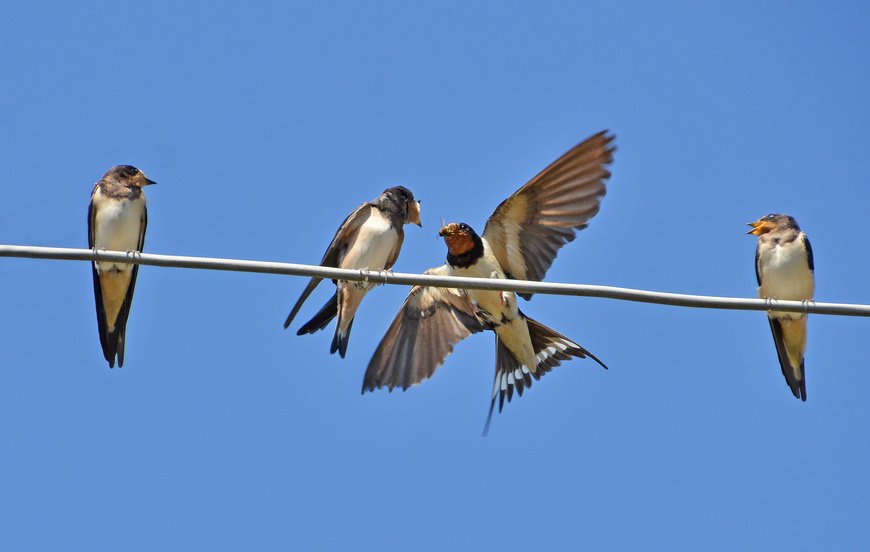
Swallow Control (Hirundo neoxena)
Swallows, or specifically the Welcome Swallow (Hirundo neoxena), range over most of Australia except the Northern Territory and the far north west of Australia. Swallows live on insects mostly caught on the wing, and will often be seen flying low over water. They build mud nests usually on a vertical surface, such as in and on…
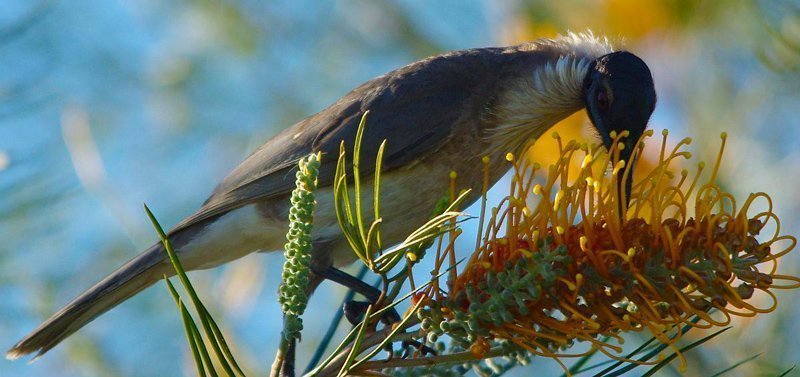
Noisy Friar Bird aka Leatherhead Control
Due to their black bare neck and sides of the face, these birds are sometimes called leatherheads. Not a particularly attractive bird. They usually breed from August to February and have two or three eggs. Found throughout eastern Australia’s coastal regions from Cape York to Victoria. In the southern parts of Australia, they appear to…
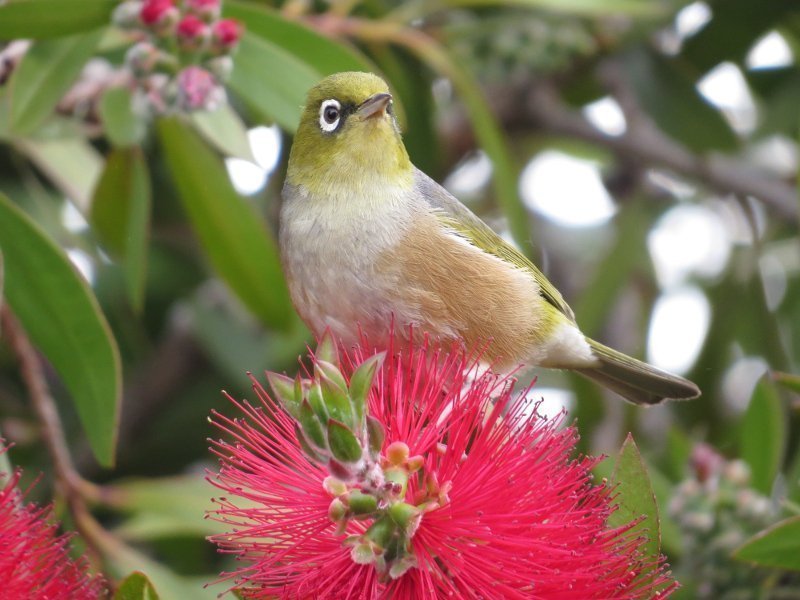
Silver-eyes or Wax Eye Control (Zosterops lateralis)
Each year thousands, perhaps millions of Silver-eyes (Wax Eye) migrate from Tasmania as far north as south Qld, a distance greater than 1500km. The Wax Eyes migrate towards the end of summer, after breeding, when they congregate in flocks. It is believed that a storm caught one of these migrating flocks and carried them to…