
Author: Deniece Smith
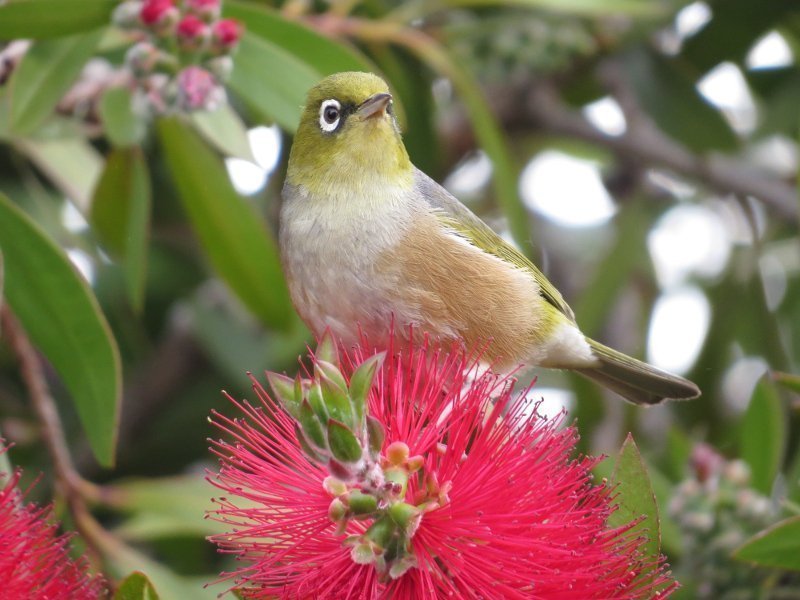
Silver-eyes or Wax Eye Control (Zosterops lateralis)
Each year thousands, perhaps millions of Silver-eyes (Wax Eye) migrate from Tasmania as far north as south Qld, a distance greater than 1500km. The Wax Eyes migrate towards the end of summer, after breeding, when they congregate in flocks. It is believed that a storm caught one of these migrating flocks and carried them to…
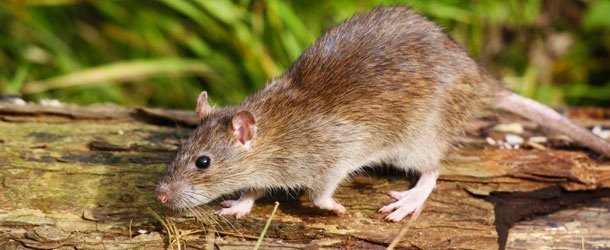
Mouse & Rat Control
Just about wherever you find man and his settlements, you’ll find rats and mice. Man provides buildings for shelter and nesting and, of course, an endless supply of food. Most rodents will not travel more than 50m from their nest and living place. Their ability to rapidly reproduce when conditions are satisfactory can lead to…
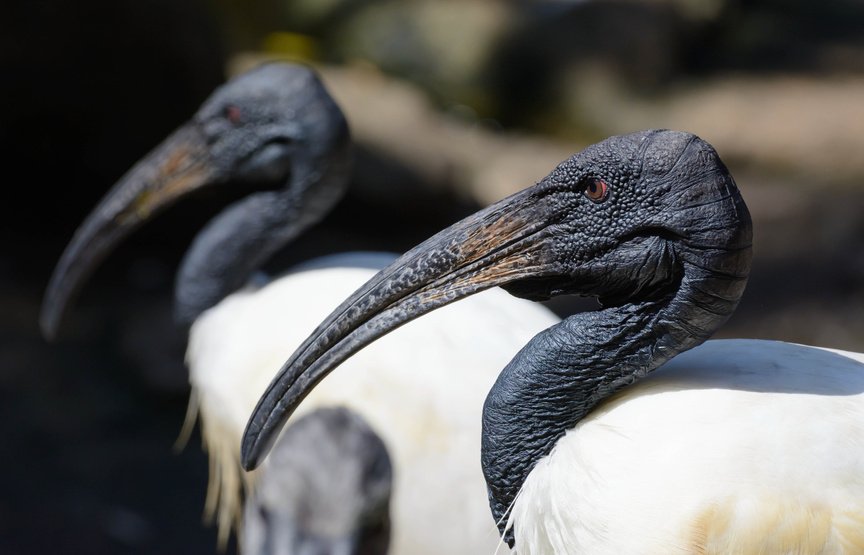
White Ibis Control (Threskiornis molucca)
The Australian White Ibis (Threskiornis molucca) is a wading bird of the ibis family Threskiornithidae. They are widespread in eastern and south western Australia. The ibis is increasingly becoming a permanent resident in many towns and cities across Australia. Many take up residence at rubbish tips or the local outdoor cafes and restaurants, becoming totally…

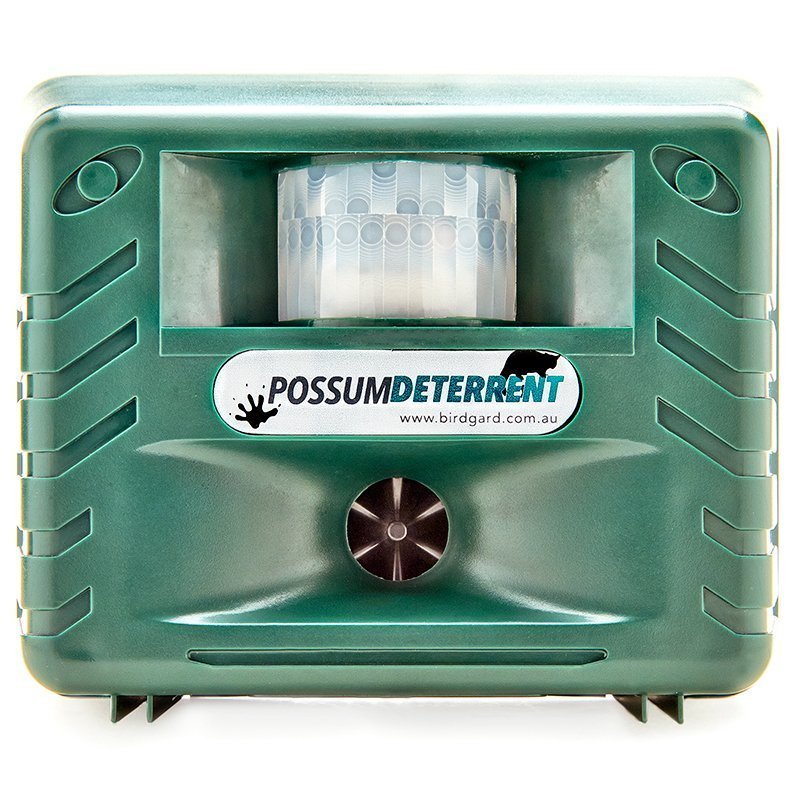
How to position the Possum Deterrent
For most people repelling possums is simply a matter of turning the device on and pointing it in their general direction. Unfortunately that doesn’t happen for everyone so I’ve written this article to how to position the Possum Deterrent. With more complex possum issues a greater attention to detail is often required. We like to help in…
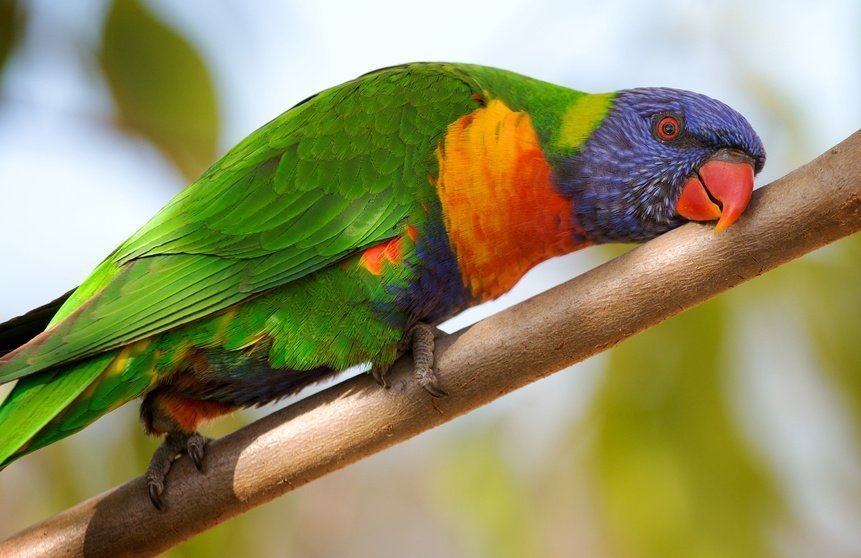
Rainbow Lorikeet Control (Trichoglossus haematodus)
Rainbow lorikeets are found all along the eastern coast and the eastern half of the southern coast of Australia, the rainbow lorikeet is one of Australia’s most brilliantly plumaged parrots. Mainly feeding on tree blossoms and some insects, they have readily adapted to introduced fruit crops. Preferring timbered areas and roosting in large noisy flocks…
Galah Control (Cacatua roseicapilla)
The common galah is found virtually throughout all of Australia. They congregate in flocks from 30 to 1,000 individuals and separate into pairs at breeding season, which is around August to November. They lay 2 to 6 eggs in a hole or hollow in a tree. About only 10% of fledglings survive to reach breeding…
Scaly Breasted Lorikeet Control (Trichoglossus chlorolepidotus)
The Scaly Breasted Lorikeet has a plain but beautiful arrangement of colours. The body is different shades of green. Intercepted by yellow barring on the breast, spreading down to the abdomen. The beak ranges from light orange to dark red. The underside of the tail is yellow. The wings are red with black at the…
Kangaroo & Wallaby Control
We all like to know that these animals are alive and well and living in suburbia. However, often the joy of seeing these lovely animals can be tempered by the damage they may cause to a prize garden or perhaps a high value crop. They can be humanely and legally repelled using a combination of…
Musk Lorikeet Control (Glossopsitta concinna)
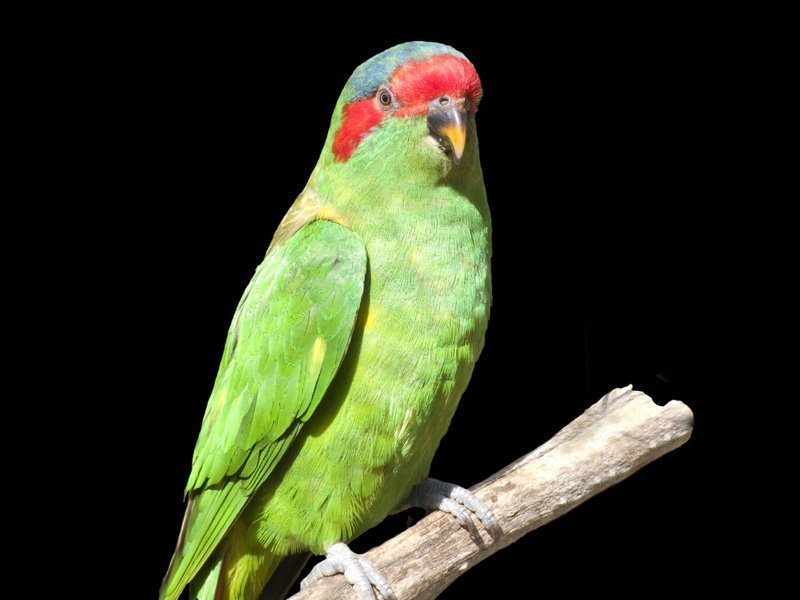
Musk Lorikeets are a small, mostly green bird (with a red forehead) which is usually seen flying high overhead on their way to and from their feeding areas. Favoured food is eucalyptus flowers (pollen and nectar). They are greedy feeders and become so engrossed when feeding they appear to ignore approaching danger. They nest anytime…
Little Corella Control (Cacatua sanguinea)
The Little Corella (a short billed corella) is wildly distributed throughout arid Australia (not to be confused with the long billed corella which is found only in a much more restricted area in the south of Australia and a very small portion of South West Australia. They breed from June to October and produce 2…